Aromatic Wisdom · Herbal Tea
A cup of herbal tea begins with a few simple things: herbs, water, and time. What happens next depends on how you bring them together.
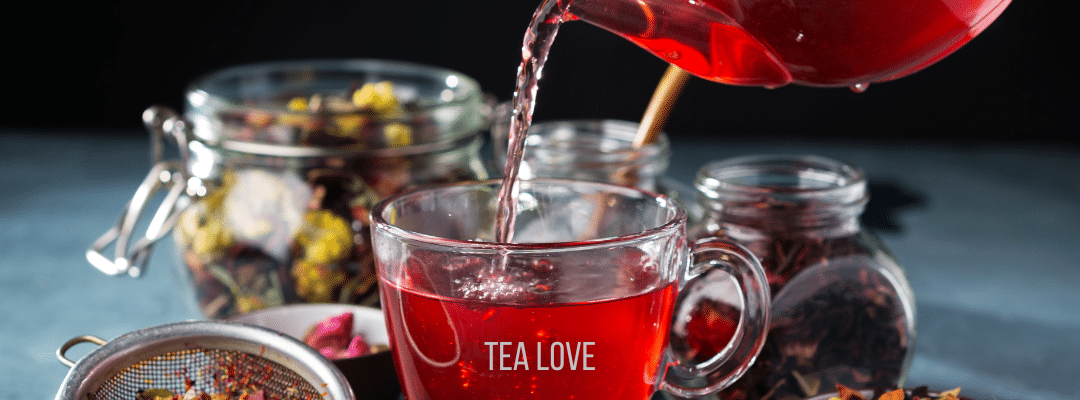
Rose petals offer floral fragrance. Ginger brings a little spark. Hibiscus arrives in a dramatic red outfit and rarely slips quietly into the background.
You don’t need an elaborate tea ceremony to enjoy them. A measuring spoon, a roomy strainer, and a little curiosity will take you a long way.
How do you brew a cup of herbal tea?
Follow the blend’s directions for the amount of herbs, water temperature, and steeping time. Pour hot water over the herbs, cover while they steep, then strain and enjoy once comfortably cooled.
If your tea comes without instructions, look for preparation guidance for its specific ingredients. Herbal teas include flowers, leaves, roots, bark, and fruit—sometimes all sharing the same cup. One universal brewing rule won’t suit every combination.
Here’s the basic sequence:
- Measure your herbs into an infuser or teapot.
- Add the recommended amount of hot water.
- Cover and set a timer.
- Strain at the recommended time.
- Taste before adding sweetener.
- Adjust your next cup to suit your preferences.
That last step is where you become the household tea wizard; a very respectable position, even without that special hat.
What do different ingredients bring to your cup?
Knowing a little about the ingredients helps you understand the blend. Listed are a few of my favorites, but many plant parts can become tea. Some are better suited than others for taste and effect.
| Ingredient | What to notice |
|---|---|
| Rose petals | Floral fragrance and a delicate character that can be overshadowed by stronger ingredients. |
| Lavender | A distinctive floral aroma; a little can make its presence known. |
| Chamomile | Gentle floral notes, sometimes reminiscent of apple. |
| Hibiscus | Vivid red color and a bright, tart flavor. |
| Ginger | Warmth and spice that become more pronounced as the infusion develops. |
| Cinnamon and allspice | Aromatic depth and the familiar scent of something comforting in the kitchen. |
A blend is more than a collection of ingredients. Their proportions, how finely they are cut, and how you prepare them shape what reaches your cup.
How much herbal tea should you use?
Begin with the package directions. One to two teaspoons per 8-ounce cup is a common starting amount for many loose herbal blends, but it isn’t a universal dose or preparation rule.
A teaspoon measures space, not weight. Fluffy petals, finely cut leaves, and substantial pieces of root fill that space differently. A heaped spoonful also differs from a level one.
For consistency, use the same measuring spoon and similar scoops. If directions give a weight in grams, a small kitchen scale offers greater precision.
Give the herbs room to move. A tightly packed tea ball can leave the center less thoroughly wetted. Think comfortable seating, rather than a crowded elevator.
How hot should the water be?
Use the temperature recommended for your blend. Many herbal infusions are prepared with near-boiling water, but the appropriate method depends on the ingredients.
For the Botanic Aromatics blends discussed below, I recommend approximately 200°F, or 93°C. That is my guidance for those formulations, rather than a rule for every herbal tea.
A temperature-controlled kettle makes preparation easy. Otherwise, you can boil the water and allow it to cool slightly. The cooling time varies with the kettle, the amount of water, and the room.
Start with fresh drinking water you enjoy. If your tap water has a noticeable flavor, filtered water may help the botanicals come through more clearly.
Why should you cover herbal tea while it steeps?
A cover helps retain heat and limits the escape of volatile aromatic compounds.
A teapot lid works well. So does a small saucer over a mug. There’s no need to buy an impressive piece of equipment unless you happen to want one.
Covering is particularly useful with fragrant herbs and spices. When you lift the lid, pause to notice the aroma. Your lucky nose gets the first sip.
What does steeping actually do?
Steeping draws water-soluble constituents from plant material into the water. Flavor, color, and aroma develop as the infusion takes shape.
This is one of the places where culinary practice and wellness meet. Constituents in plants can affect the body, and preparation influences what is extracted. The amount of herb, temperature, time, and plant material all matter.
Still, a darker liquid may not contain every constituent, and a stronger flavor doesn’t automatically mean a greater health benefit.
We can appreciate the botanical possibilities while being precise about what the liquid in the cup tells us: color, taste, aroma, and our own experience.
How long should herbal tea steep?
Start with the blend’s recommended time. Some infusions are ready in a few minutes; others are prepared with a longer steep.
Flowers and leaves often infuse readily. Substantial roots and bark may call for longer preparation or simmering—a method called a decoction. The ingredient’s size and the finished blend also matter, so plant parts alone don’t determine the instructions.
More time can change the flavor, bringing out additional strength, tartness, or bitterness. “Longer” and “better” are not always the same thing.
Try a small experiment:
- Prepare one cup using the recommended time.
- On another occasion, keep the amount and temperature the same but adjust the time slightly.
- Notice what changes. You may be pleasantly intrigued that altering just the steeping time can make a noticeable difference.
You are now conducting kitchen research. A white coat and notebook are optional; enjoying the results is encouraged.
What do different steeping times look like in practice?
Here are examples from my own blends. They illustrate why I give preparation guidance for each formulation rather than one instruction for the entire tea collection.
For these BA teas, use approximately 200°F water and steep covered.
| BA blend | Tea and water | Recommended steep | My preferred steep |
|---|---|---|---|
| Harmony | 1–2 teaspoons per 8 ounces | 5–7 minutes | About 6 minutes |
| Love Grow | 1–2 teaspoons per 8 ounces | 5–7 minutes | Closer to 5 minutes |
| Masala Rose | 1–2 teaspoons per 8 ounces | 6–7 minutes | Closer to 7 minutes |
| Peace Be With Me | 1–2 teaspoons per 8 ounces | 5–7 minutes | Closer to 5 minutes |
| Power Me Up | 2 teaspoons per 8 ounces | 5–7 minutes | Closer to 7 minutes |
| Heartwise | 2½ teaspoons per 16 ounces | 6–7 minutes or 16 minutes | 6–7 minutes for everyday enjoyment; 16 minutes for a fuller infusion |
Love Grow and Masala Rose both contain rose petals, but their other ingredients create different cups. The entire blend deserves consideration—not just the flower that catches your eye.
How can you improve a cup that isn’t quite right?
Too weak?
Check the amount of tea and water first. A generous mug may hold considerably more than 8 ounces.
Next time, try the upper end of the blend’s recommended amount or steeping range.
Too strong, tart, or bitter?
Add a little water to the strained tea. On your next attempt, reduce the amount or use the shorter recommended steep.
The flavor seems muddled?
Taste the tea plain before adding honey, lemon, or other ingredients. You may discover that the blend needs less assistance than you thought.
Want a sweeter cup?
Add a little sweetener to taste. Honey can be lovely, but it isn’t compulsory. Hibiscus does not need to become dessert unless that is your plan.
Change one thing at a time. Otherwise, you may create your favorite cup and have absolutely no idea how to repeat it.
Can you make herbal tea iced?
Yes. Brew according to the blend’s hot-water directions, strain, and refrigerate promptly in a clean, covered container.
Serve chilled or over ice. Remember that melting ice dilutes the tea. For less dilution, freeze some brewed tea into ice cubes.
Prepare modest batches you can enjoy fresh. The goal is a refreshing drink, not an unidentified pitcher that becomes a permanent refrigerator resident. I’ve had to evict a few!
Does “herbal” mean suitable for everyone?
Herbs deserve the same thoughtful attention as other things we consume.
Read the ingredients and safety guidance, especially when drinking a blend regularly. Pregnancy, breastfeeding, medications, allergies, and medical conditions can affect suitability. Children also need guidance appropriate to the ingredients and their age.
If you are using hibiscus alongside blood-pressure care, discuss it with your healthcare professional, particularly if you take medication.
A brewing instruction explains preparation. It doesn’t establish a clinical dose or tell us how often every person should drink the tea.
Frequently asked questions
Can I use a fillable tea bag?
Yes. Leave room for the herbs to become thoroughly wetted rather than packing the bag tightly.
Do I need to squeeze the herbs?
No. Let the liquid drain through the strainer. Pressing may change the flavor or send more fine particles into your cup.
Can I steep the same herbs twice?
You can try a second infusion for flavor, although it will differ from the first. Don’t assume it contains the same amounts of constituents or provides equivalent effects.
Can I mix my own herbs?
That can be an enjoyable way to explore flavor. Use correctly identified, food-grade ingredients and check their suitability before experimenting. Start simply so you can understand what each ingredient contributes.
Enjoy the making as well as the drinking
Choose a cup you like holding. Notice the color. Meet the aroma before taking a sip.
If you want to sing while the tea steeps, please do. We haven’t established that it improves extraction, but we have noticed a bit more joy.
Herbal tea invites both attention and enjoyment. Follow the preparation guidance, let your senses help you refine the cup, and leave a little room for discovery.
For questions about BA blends and their preparation, contact care@botanicaromatics.com.
Sources and further reading

About the Author
M. Leslie Danis is the founder and formulator of Botanic Aromatics, where she develops research-informed essential oil blends and botanical teas with a focus on nervous system support and seasonal physiology. Her approach prioritizes constituent knowledge, ingredient transparency, and disciplined small-batch formulation.
Disclaimer: The information provided in this content is for educational purposes only and is not intended to diagnose, treat, cure, or prevent any illness or health condition. The use of essential oils and natural remedies mentioned herein should not replace professional medical advice or treatment. We strongly recommend consulting with a qualified healthcare practitioner, such as a physician, aromatherapist, or other experts in integrative medicine, before starting any new health regimen, especially if you have pre-existing health conditions, are pregnant, breastfeeding, or considering the use of essential oils for children. Always perform a patch test for allergic reactions before applying essential oils topically, and follow safe usage guidelines. Your health and wellness are important to us, and making informed decisions with professional guidance is paramount.